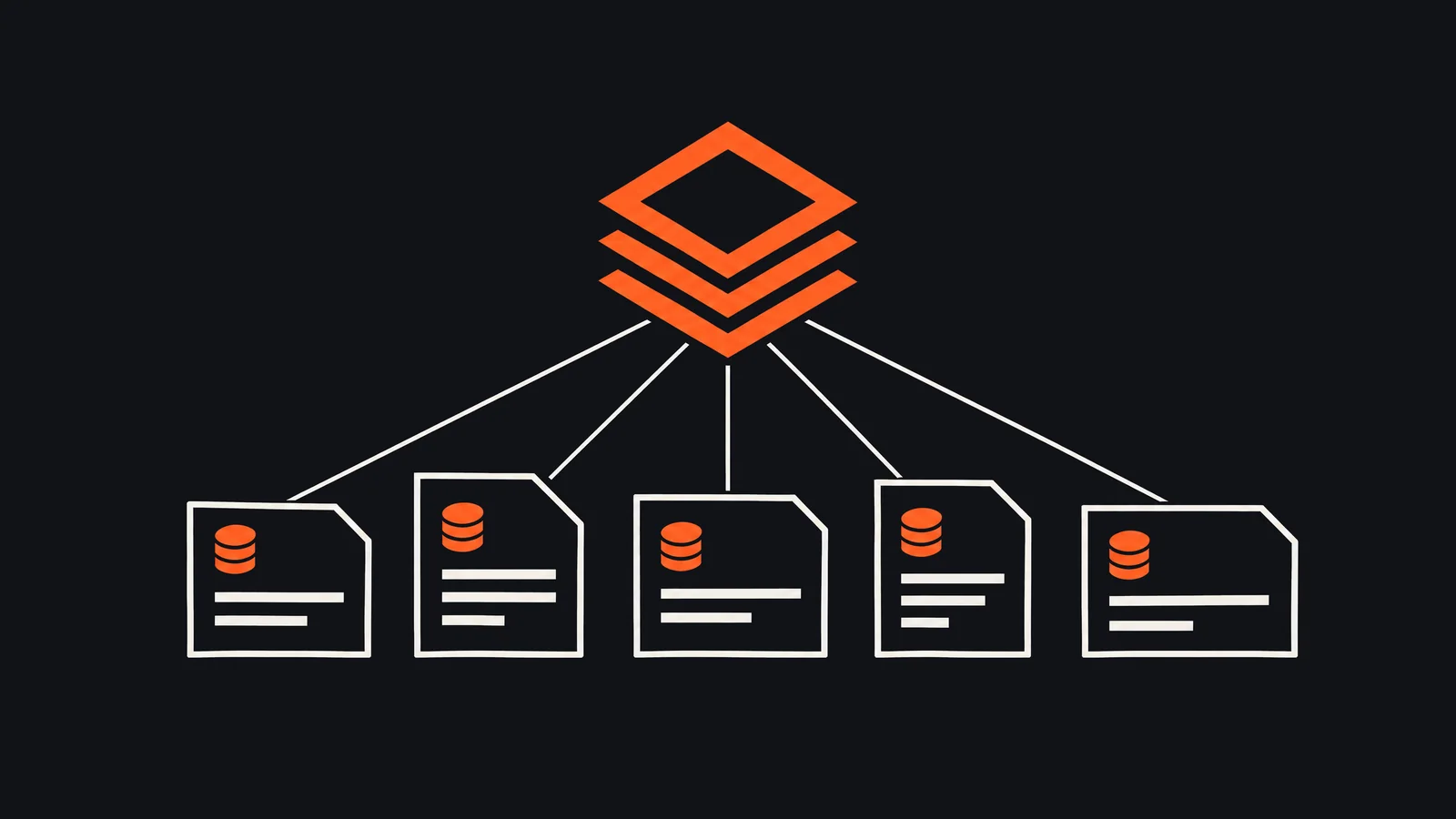
Decide once what your repositories should look like, then apply the profile to all of them: one pull request per repository, each checked against the same guardrails.
Case study in full
Example scenario
Stack profile: go-1.27 · Example scenario with typical orders of magnitude.
Several repositories of the same team follow different conventions for structure, dependencies and lint and test commands. Instead of explaining the alignment anew in every repository, the team defines one stack profile with guardrails and has it applied to all of them.
What stays with your team: Which conventions apply is your team's decision. The approval per repository before the change is applied stays with you.
What you need
A stack profile with the target conventions.
Guardrails that record these conventions as checkable rules.
The repositories, connected to a tracker.
Your approval per repository.
How the run works
The stack profile and its guardrails are defined once.
A ticket for aligning to the profile is created per repository.
The plan breaks the alignment into slices per convention: structure, dependencies, lint and test commands.
Each slice is checked against the guardrails before it counts as done.
The result arrives as one pull request per repository, referencing the shared profile.
What you get
A reusable stack profile for all further repositories.
Guardrail checks documented per repository.
One pull request per repository, independently reviewable.
An overview of which repositories already carry the profile and which are still to come.
Key figures
Scope
Stories/tickets
4
Slices
16
Files/modules
47
Throughput
Validated slices
15
Retries
5
Human interventions
4
Quality
Checks run
Guardrail-Prüfung, Lint, Unit Tests
Gates passed
4
Gates failed
1
Resources
Prompt tokens
200000
Completion tokens
90000
Cache tokens
250000
Model calls
100
Sandbox runtime
35 minutes
Model/stack context
Stack: Go 1.27, standard library with chi (profile go-1.27), applied across multiple repositories.
What stayed open
One repository is only partially aligned so far; a dependency change there is still under review.
May we count your visit?
With Google Analytics we see which pages are read. Google loads only if you accept; your browser remembers your choice, no cookie from us, and you can change it any time in the footer. Privacy policy